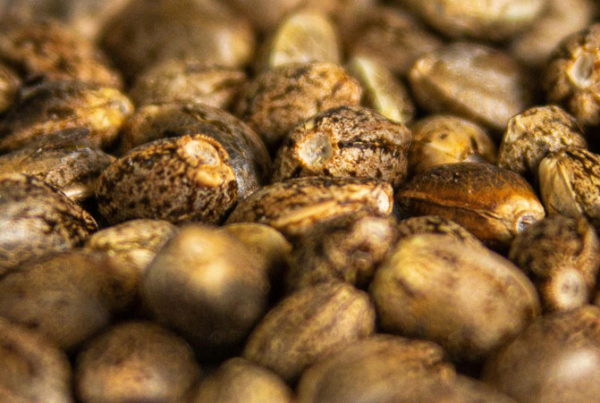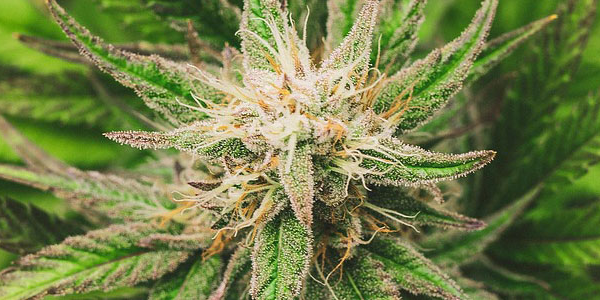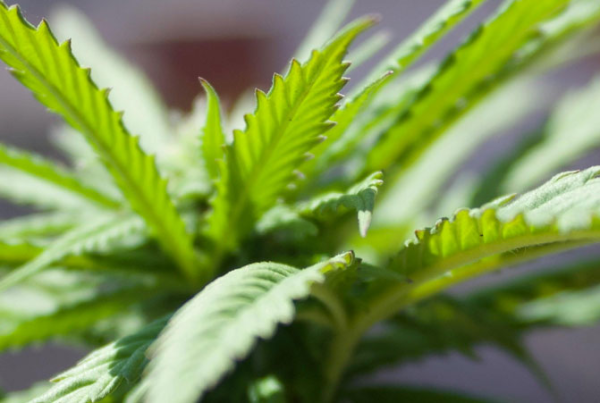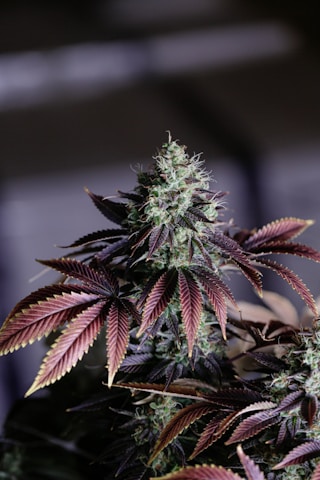
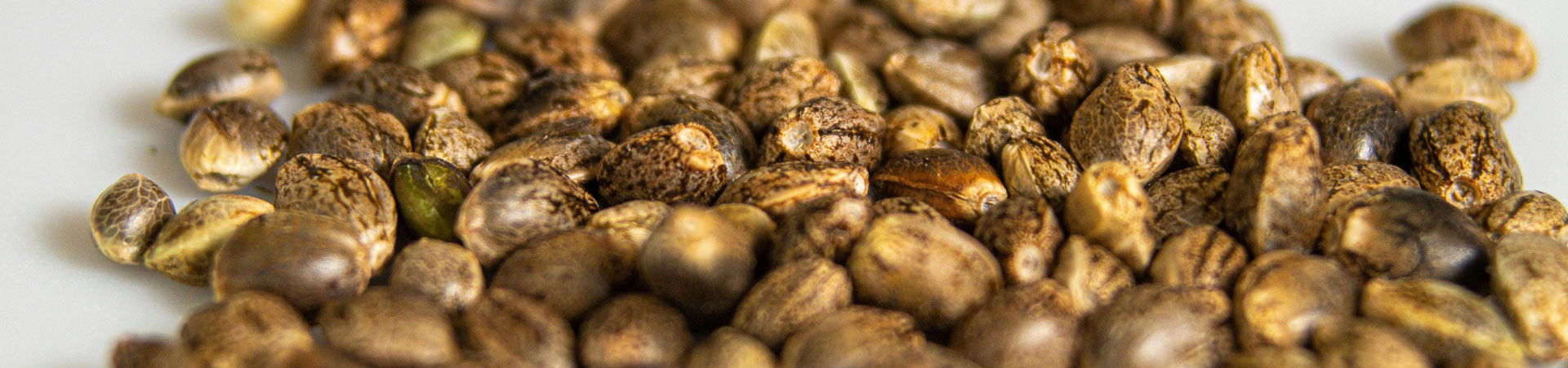
If you’re new to cannabis cultivation or looking for a faster, simpler growing experience, autoflowering cannabis seeds might be exactly what you need. These revolutionary genetics have transformed home growing, making it more accessible than ever before.
At JG Seeds Bank, we offer an exceptional collection of autoflowering seeds that deliver impressive results with minimal effort. This comprehensive guide will explain everything you need to know about autoflowering cannabis and why it’s become one of the most popular choices for growers worldwide.
What Are Autoflowering Cannabis Seeds?
Autoflowering cannabis plants automatically transition from the vegetative stage to the flowering stage based on age rather than changes in light cycles. This fundamental difference sets them apart from traditional photoperiod strains.
The Science Behind Autoflowering
Autoflowering genetics come from Cannabis ruderalis, a subspecies that evolved in harsh northern climates with short summers. To survive these conditions, ruderalis developed the ability to complete its life cycle quickly, regardless of daylight hours.
Modern breeders have crossed ruderalis genetics with premium indica and sativa strains, creating autoflowers that combine:
- Automatic flowering triggered by age (typically 2-4 weeks from germination)
- Potency and flavor from indica/sativa parents
- Compact size and rapid growth from ruderalis
Key Advantages of Autoflowering Cannabis Seeds
1. No Light Schedule Management
Photoperiod Plants: Require strict light schedule changes:
- 18/6 or 24/0 (light/dark) during vegetative stage
- Switch to 12/12 to trigger flowering
- Any light interruptions during dark period can cause stress
Autoflowers: Thrive on any light schedule:
- Common schedules: 18/6, 20/4, or even 24/0
- No need to adjust timers or worry about light leaks
- Flexibility to match your electricity rates or growing conditions
This simplicity eliminates one of the most common beginner mistakes and makes indoor growing much more forgiving.
2. Faster Harvests
Autoflowering strains complete their entire life cycle in just 8-12 weeks from seed to harvest. Compare this to photoperiod strains:
- Photoperiod: 3-4 weeks vegetative + 8-12 weeks flowering = 11-16+ weeks total
- Autoflower: 8-12 weeks total
This speed allows:
- Quicker turnover for continuous harvests
- Multiple outdoor harvests per season (2-3 crops possible)
- Faster learning curve (more growing cycles per year)
- Reduced detection time for outdoor stealth grows
3. Compact Size
Most autoflowers reach just 2-4 feet tall, making them ideal for:
- Small indoor spaces: Closets, cabinets, small tents
- Balcony grows: Easily disguised among other plants
- Stealth outdoor growing: Less conspicuous than tall sativas
- Limited ceiling height: Perfect for basement or attic grows
4. Beginner-Friendly Nature
Autoflowers are exceptionally forgiving:
- Resilient genetics handle mistakes better
- Simple feeding schedules with lower nutrient requirements
- Natural pest resistance from ruderalis genetics
- Less training required due to compact growth
- Faster problem recovery due to short life cycle
5. Year-Round Outdoor Growing
In warmer climates, autoflowers can be grown outdoors year-round:
- No need to wait for specific seasons
- Harvest every 10-12 weeks continuously
- Less susceptible to seasonal pests
- Staggered planting for continuous supply
6. Lower Electricity Costs
The flexibility in light schedules allows growers to:
- Run lights during off-peak electricity hours
- Use less powerful lighting systems
- Reduce overall electricity consumption
- Lower carbon footprint
Autoflowering vs Photoperiod: Making the Right Choice
Choose Autoflowers If You:
- Are a complete beginner to cannabis cultivation
- Have limited space (small tent, closet, balcony)
- Want the fastest possible harvests
- Prefer simple, straightforward growing
- Live in climates with short summers
- Want multiple outdoor harvests per season
- Have irregular schedules that make light timing difficult
- Are growing in areas where stealth is important
Choose Photoperiods If You:
- Want maximum yields per plant
- Enjoy training and manipulating plants
- Have ample vertical space
- Don’t mind waiting 3-4+ months
- Want to create mother plants for cloning
- Are interested in breeding projects
- Prefer having control over vegetative duration
Understanding Autoflowering Genetics
Generations of Development
First Generation (Early 2000s):
- Lower potency (8-12% THC)
- Small yields
- Less impressive flavors
- Primarily valued for speed and ease
Second Generation (2010s):
- Improved potency (12-18% THC)
- Better yields
- Enhanced flavor profiles
- Wider strain variety
Current Generation (2020s):
- High potency (18-25%+ THC)
- Competitive yields with photoperiods
- Complex terpene profiles
- Premium genetics rivaling any photoperiod strain
The autoflowers available at JG Seeds Bank represent the latest generation—no compromises on quality or potency.
Autoflowering Varieties Available
Indica-Dominant Autos:
- Compact, bushy structure
- Relaxing, sedative effects
- Faster finishing times (8-9 weeks)
- Higher yields per square foot
- Examples: Northern Lights Auto, Granddaddy Purple Auto
Sativa-Dominant Autos:
- Slightly taller growth
- Energizing, uplifting effects
- Medium finishing times (9-11 weeks)
- Airy, elongated buds
- Examples: Haze Auto, Sour Diesel Auto
Balanced Hybrid Autos:
- Medium height and structure
- Balanced effects
- Medium finishing times (9-10 weeks)
- Best of both worlds
- Examples: Blue Dream Auto, Gorilla Glue Auto
Growing Autoflowers: Complete Guide
Germination
Autoflowers have a limited vegetative period, so proper germination is crucial:
Paper Towel Method:
- Moisten paper towel
- Place seeds between folds
- Put in plastic bag or between plates
- Keep at 70-75°F
- Check daily for taproots (1-5 days)
- Plant immediately when taproot appears
Direct Soil Method:
- Pre-moisten growing medium
- Plant seed 0.25-0.5 inches deep
- Keep soil moist but not waterlogged
- Maintain warmth (70-75°F)
- Seedling emerges in 3-7 days
Pro Tip: Plant autoflower seeds directly in their final containers to avoid transplant shock, which can stunt growth during the critical vegetative period.
Container Selection
Recommended Sizes:
- Small autos: 2-3 gallon pots
- Medium autos: 3-5 gallon pots
- Large autos: 5-7 gallon pots
Why Final Container Matters: Autoflowers have a predetermined life span. Any stress from transplanting reduces vegetative time, resulting in smaller plants and lower yields.
Container Types:
- Fabric pots: Excellent air pruning of roots, prevents root binding
- Plastic pots: Retain moisture longer, more affordable
- Air pots: Maximum aeration, prevent circling roots
Growing Medium
Soil (Easiest for Beginners):
- Use light, airy soil mixes
- Pre-amended organic soils work well
- Avoid “hot” soils with heavy nutrients
- Fox Farm Ocean Forest mixed with perlite (70/30) is excellent
Coco Coir (Intermediate):
- Faster growth than soil
- Better oxygenation
- Requires careful nutrient management
- pH control more critical
Hydroponics (Advanced):
- Fastest growth potential
- Maximum yields
- Requires precise control
- Not recommended for first auto grow
Lighting
Light Schedule Options:
- 20/4: Most popular—balances growth with plant rest
- 18/6: More energy-efficient, still excellent results
- 24/0: Fastest growth but higher electricity costs
Light Intensity: Autoflowers need adequate light but are somewhat less demanding than photoperiods:
Seedling Stage (Days 1-10):
- 200-400 PPFD
- Keep lights higher to prevent burning
Vegetative Stage (Days 10-30):
- 400-600 PPFD
- Lower lights as plants grow
Flowering Stage (Days 30-harvest):
- 600-900 PPFD
- Maximum light intensity for best bud development
Recommended Lighting:
- LED: Most efficient, full spectrum, less heat
- CFL: Budget option for small grows
- HPS: More heat but proven results
Nutrients
Autoflowers require lighter feeding than photoperiods:
Seedling Stage (Week 1-2):
- Plain water or very light nutrients (1/4 strength)
- Good soil provides enough nutrition
Vegetative Stage (Week 2-4):
- Light vegetative nutrients (1/2 strength)
- Focus on nitrogen for leafy growth
Flowering Stage (Week 4-harvest):
- Transition to bloom nutrients gradually
- Increase phosphorus and potassium
- Reduce nitrogen
- Never exceed 3/4 recommended strength
Feeding Schedule:
- Feed-water-water pattern common
- Or light nutrients with every watering
- Flush with plain water final 1-2 weeks
Signs of Overfeeding:
- Burnt, crispy leaf tips
- Dark green, clawed leaves
- Nutrient lockout
Signs of Underfeeding:
- Yellowing lower leaves (nitrogen deficiency)
- Purple stems (phosphorus deficiency)
- Slow growth
Environmental Conditions
Temperature:
- Seedling: 72-78°F
- Vegetative: 70-80°F
- Flowering: 65-80°F (slightly cooler promotes resin)
Humidity:
- Seedling: 65-70%
- Vegetative: 55-70%
- Flowering: 40-55% (lower prevents mold)
Air Circulation:
- Gentle breeze strengthens stems
- Prevents mold and pests
- Use oscillating fans
- Don’t blow directly on seedlings
Training Techniques
Most training methods stress plants, extending vegetative time. Since autoflowers have fixed schedules, training must be gentle:
Low-Stress Training (LST) – RECOMMENDED:
- Bend stems horizontally
- Expose more bud sites to light
- Begin when plant has 4-6 nodes
- Creates even canopy
- Increases yields significantly
Topping – USE WITH CAUTION:
- Only for vigorous, large auto strains
- Top before day 21
- Removes main growing tip
- Creates two main colas
- Can reduce yields if done too late
Defoliation – MINIMAL:
- Remove only necessary leaves blocking bud sites
- Never remove more than 10% of foliage
- Do early in flower (week 1-2)
- Avoid late in life cycle
AVOID:
- Super-cropping (too stressful)
- Multiple toppings
- Heavy defoliation
- Any training after week 4
Common Mistakes to Avoid
1. Overwatering
Problem: Restricts oxygen to roots, stunts growth Solution: Let soil dry slightly between waterings, lift pot to check weight
2. Overfeeding
Problem: Nutrient burn, lockout, stunted growth Solution: Start with 1/4 strength nutrients, increase gradually
3. Transplanting
Problem: Transplant shock delays growth during short vegetative period Solution: Plant in final container from day 1
4. Overtraining
Problem: Stress delays flowering, reduces yields Solution: Stick to gentle LST, avoid aggressive techniques
5. Wrong Container Size
Problem: Root restriction limits plant size and yields Solution: Use 3-5 gallon containers minimum
6. Harvesting Too Early
Problem: Lower potency, reduced yields Solution: Wait for proper trichome development, be patient
7. Starting with Difficult Genetics
Problem: Poor results, discouragement Solution: Choose proven, stable autoflower strains from reputable sources
Best Autoflowering Strains at JG Seeds Bank
While we offer numerous photoperiod strains, our autoflowering collection includes cutting-edge genetics perfect for growers of all levels. Here are characteristics to look for:
For Beginners:
- Resilient, forgiving genetics
- Moderate height (2-3 feet)
- Fast finishing (8-9 weeks)
- Simple nutrient requirements
- Natural pest/mold resistance
For Yield Hunters:
- Larger autoflower varieties
- Longer finishing times (10-12 weeks)
- Responsive to LST
- Dense bud structure
- 3-5 oz per plant potential
For Flavor Enthusiasts:
- Rich terpene profiles
- Unique taste experiences
- Modern breeding priorities
- Connoisseur-grade quality
For Discreet Growers:
- Ultra-compact size (under 24 inches)
- Low-odor strains
- Fast finishing (under 70 days)
- Minimal maintenance needs
Maximizing Autoflower Yields
While autoflowers traditionally produced smaller yields, modern genetics combined with proper techniques can deliver impressive harvests:
Optimal Conditions from Day 1
Unlike photoperiods where you can fix problems during extended vegetative periods, autoflowers demand excellence from germination:
- Perfect environment immediately
- Quality genetics
- Proper container size
- Adequate lighting
Light Stress Training (LST)
The single most effective technique for increasing autoflower yields:
- Begin around day 14-21
- Gently bend main stem horizontally
- Expose side branches to light
- Create even canopy
- Can increase yields 30-50%
Proper Lighting
Maximum light intensity (without burning) during flowering:
- At least 600 PPFD during flower
- 18-20 hours of light daily
- Full spectrum LED ideal
- Watch for light stress
Optimize Root Zone
Healthy roots = bigger plants:
- Fabric pots for air pruning
- Well-draining medium
- Beneficial mycorrhizae
- Proper watering practices
Perfect Environment
Maintain ideal conditions throughout:
- Stable temperatures
- Appropriate humidity
- Good air circulation
- CO2 enrichment (advanced)
Realistic Yield Expectations:
- Small autos: 1-2 oz per plant
- Medium autos: 2-4 oz per plant
- Large autos: 4-6+ oz per plant
- SOG (Sea of Green): Up to 1 oz per square foot
Harvesting Autoflowers
Knowing when to harvest is critical for maximizing potency and quality:
Trichome Inspection (Most Reliable)
Use a jeweler’s loupe or microscope (30-60x magnification) to examine trichomes:
Clear Trichomes:
- Too early
- Lower potency
- Racier, anxious effects
Milky/Cloudy Trichomes:
- Peak potency
- Balanced effects
- Ideal harvest time
Amber Trichomes:
- Degrading THC into CBN
- More sedative effects
- Harvest for relaxing effects
Ideal Harvest Window:
- 70-90% milky trichomes
- 10-30% amber trichomes
- Adjust based on preference
Other Harvest Indicators
Pistil (Hair) Color:
- Fresh pistils: white
- Mature pistils: brown/orange
- 70-80% brown = approaching harvest
Leaf Fade:
- Natural yellowing of fan leaves
- Plant finishing its cycle
- Support indicator, not primary
Drying and Curing
Proper post-harvest handling is crucial:
Drying:
- Hang whole plants or branches
- 60-65°F, 50-55% humidity
- Complete darkness
- 7-14 days until stems snap
- Don’t overdry (preserves terpenes)
Curing:
- Place dried buds in glass jars
- Fill 75% full
- 60-65°F storage
- Open jars daily first week (“burping”)
- Open every 2-3 days weeks 2-4
- Cure minimum 2 weeks, ideally 4-8 weeks
Troubleshooting Autoflower Problems
Stunted Growth
Causes:
- Overwatering or underwatering
- Nutrient problems (too much/too little)
- Transplant shock
- Poor genetics
- Environmental stress
Solutions:
- Maintain consistent watering schedule
- Use lighter nutrient concentrations
- Ensure proper environment
- Choose quality genetics from JG Seeds Bank
Yellowing Leaves
Early Life: Normal as seed leaves (cotyledons) yellow During Growth: Likely nitrogen deficiency Late Flower: Normal fade as plant finishes
Solutions:
- Increase nitrogen if during veg/early flower
- Do nothing if late flower fade
- Check pH to ensure nutrient availability
Stretchy Growth
Causes:
- Insufficient light
- Wrong light spectrum
- Too much heat
Solutions:
- Increase light intensity
- Use full-spectrum lighting
- Lower temperatures
- Use gentle LST to manage height
Small Yields
Causes:
- Poor genetics
- Inadequate light
- Small containers
- Overfeeding
- Environmental problems
- Excessive training
Solutions:
- Choose proven genetics
- Invest in proper lighting
- Use 3-5 gallon pots
- Feed conservatively
- Maintain optimal environment
- Limit training to gentle LST
Autoflowers for Different Growing Situations
Indoor Tent Growing
Ideal Autos:
- Medium height (2-3 feet)
- Moderate to high yields
- 9-10 week finish
Setup:
- 4×4 tent: 4-9 plants
- LED lighting (400-600W equivalent)
- Carbon filter for odor
- Oscillating fans
Balcony/Patio Growing
Ideal Autos:
- Compact size
- Low odor if needed
- Resilient to environment
Considerations:
- Use large pots (5+ gallons)
- Ensure adequate sunlight (6+ hours)
- Consider discretion/odor
- Plan for weather protection
Guerrilla Growing (Outdoor Secret)
Ideal Autos:
- Fast finishing
- Highly resilient
- Natural camouflage colors
Advantages:
- Short outdoor exposure time
- Multiple plantings per season
- Less visible than tall sativas
- Less likely to be discovered
Sea of Green (SOG)
Ideal Autos:
- Uniform height
- Single cola dominant
- Fast finishing
Setup:
- Many small plants
- Close spacing (1-4 per sq ft)
- Minimal to no training
- Maximizes space efficiency
Frequently Asked Questions
Q: Can you clone autoflowers? A: Technically yes, but not recommended. Clones continue aging on the same schedule as the mother, resulting in tiny plants that flower immediately.
Q: Do autoflowers produce seeds if not pollinated? A: Properly grown female autoflowers produce seedless (sensimilla) buds just like photoperiods. They only produce seeds if pollinated by males.
Q: Can you reveg an autoflower? A: No, autoflowers cannot be revegetated. Their life cycle is predetermined by genetics, not environmental factors.
Q: Are autoflowers less potent? A: Modern autoflowers rival photoperiods in potency, often reaching 20-25%+ THC with proper breeding.
Q: How many times can I harvest autoflowers per year outdoors? A: Depending on climate, 2-3 full harvests are possible with 8-12 week cycles.
Q: Do I need special equipment for autoflowers? A: No, autoflowers use the same equipment as photoperiods. They simply offer more flexibility.
Why Choose JG Seeds Bank for Autoflowering Seeds
Premium Genetics:
- Latest generation autoflower breeding
- Stable, consistent genetics
- Properly stored for maximum viability
Farm Bill Compliance:
- All seeds contain less than 0.3% THC
- Full compliance with federal law
Expertise and Support:
- Experienced growers available for questions
- Comprehensive growing resources
- Community-focused approach
Convenience:
- Free shipping on qualifying USA orders
- Discreet packaging
- Fast, reliable delivery
Selection:
- Diverse autoflower collection
- Indica, Sativa, and Hybrid options
- Suited to various growing situations and preferences
Start Your Autoflower Journey Today
Autoflowering cannabis seeds represent one of the most exciting developments in home cultivation. Whether you’re a complete beginner seeking simplicity or an experienced grower wanting faster harvests, autos offer compelling benefits without sacrificing quality.
At JG Seeds Bank, we’ve carefully curated our autoflowering collection to ensure success for growers of all levels. With proper genetics, basic knowledge, and a little care, you’ll be harvesting premium cannabis in just 8-12 weeks from seed.
Legal Reminder: Familiarize yourself with any and all relevant laws concerning hemp in your jurisdiction. Johnny Seeds Bank Seed Bank accepts no liability or responsibility regarding germination laws in specific local, state, or national jurisdictions.
Safety Note: This product is not intended for use by or sale to individuals under the age of 18. Consult with a physician prior to use if you have a serious medical condition or are taking prescription medications.
Ready to experience the speed and simplicity of autoflowering cannabis? Browse our complete autoflower collection at JG Seeds Bank and discover why autos have become the favorite choice for modern home growers.
Happy growing! 🌿