
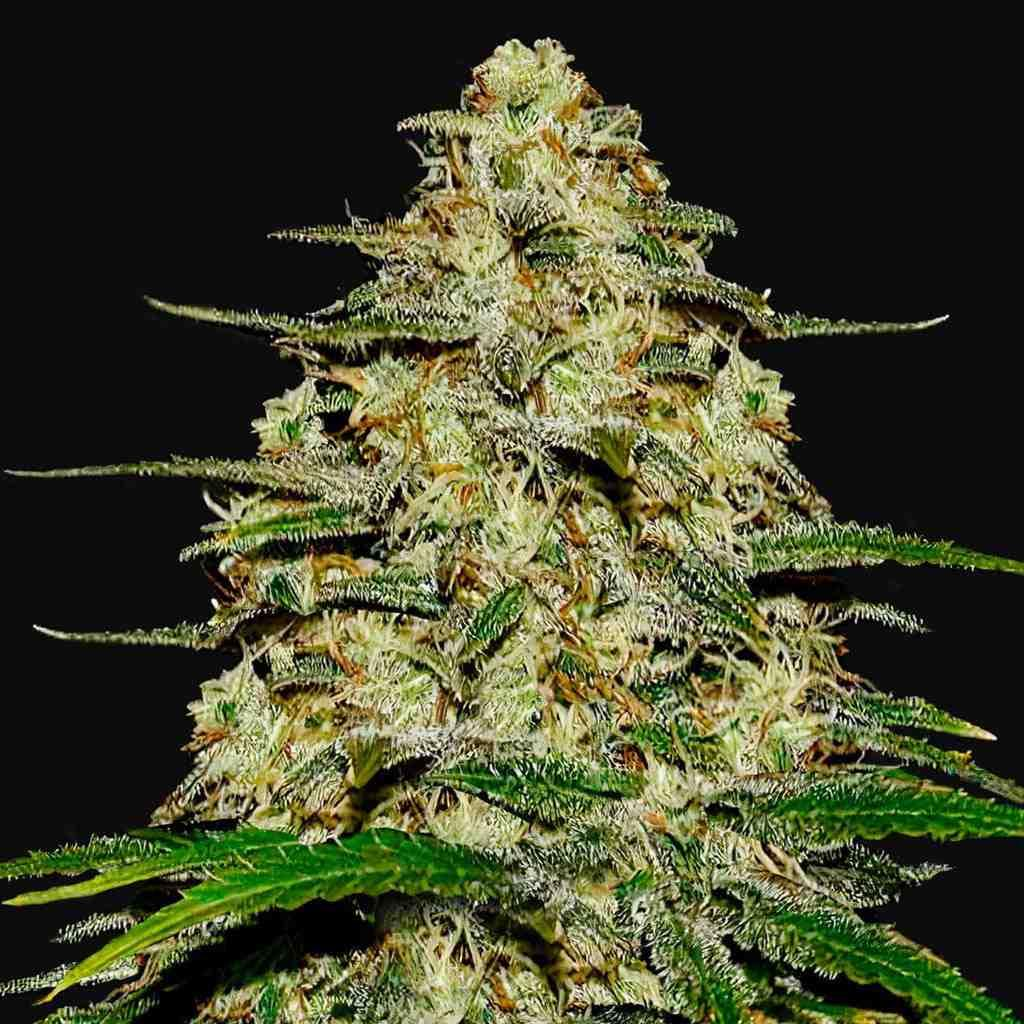
Unlocking the Potential of THCA
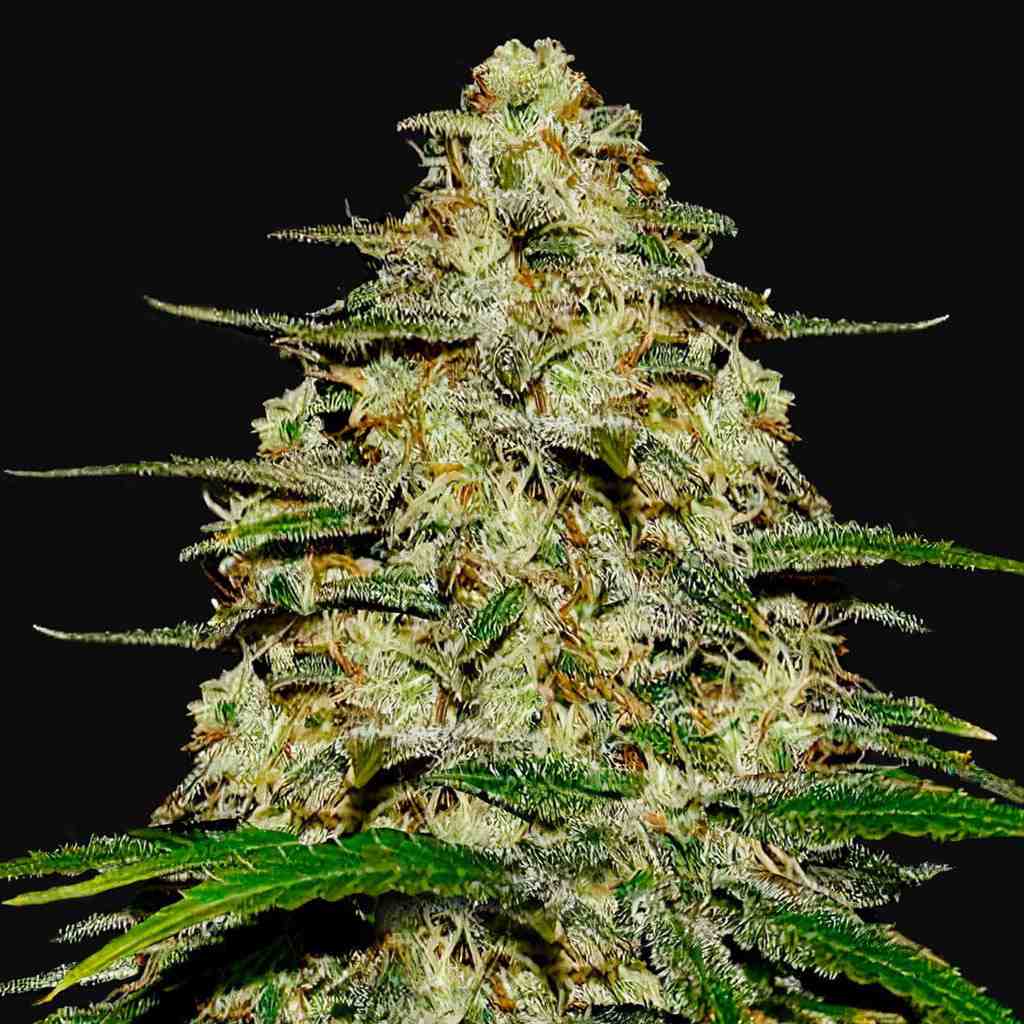
Unlocking the potential of THCA, the precursor to THC, involves delving into the intricate world of cannabis science. This topic explores the transformative journey of THCA into THC and its impact on the human body. From its therapeutic benefits to its potential effects, understanding the science behind THCA can provide valuable insights into the medicinal properties of cannabis. Join us on a fascinating exploration of the benefits and effects of THCA, shedding light on its promising role in the realm of health and wellness.
Exploring the Health Benefits of THCA
Unveiling the Anti-Inflammatory Power of THCA
Harnessing the potential of THCA, or tetrahydrocannabinolic acid, unveils a remarkable discovery in the realm of anti-inflammatory properties. The body’s natural response to inflammation is crucial, yet when inflammation becomes chronic, it can pave the way for various health issues. THCA emerges as a potential solution, offering a glimmer of hope for individuals battling conditions like arthritis.
Delving Deeper into Neuroprotective Effects
Embark on a journey of discovery as research delves into the profound neuroprotective effects of THCA. This groundbreaking revelation opens doors to the possibility of safeguarding the brain from damage and degeneration. The implications extend to conditions such as Alzheimer’s or Parkinson’s disease, where THCA could potentially offer significant benefits.
The Shield of Antioxidant Properties
Within the realm of wellness, THCA stands out for its believed antioxidant properties, a shield against oxidative stress in the body. Oxidative stress, a precursor to cell damage, is intricately linked to various diseases. By assuming the role of an antioxidant, THCA plays a vital part in safeguarding cells from the perils of such damage.
Embracing the Future with THCA
In the grand tapestry of health and well-being, THCA emerges as a beacon of promise, offering a multifaceted approach to enhancing overall wellness. From its anti-inflammatory prowess to the realm of neuroprotection and antioxidant defense, THCA paves the way for a future where health benefits are redefined. As we traverse this path of discovery, unlocking the full potential of THCA, further research stands as a beacon of hope, guiding us towards a deeper understanding of its benefits and the myriad applications awaiting in the realm of healthcare.
Enhancing Pain Management
One of the lesser-known benefits of THCA is its potential in pain management. Studies suggest that THCA may help alleviate pain by interacting with the endocannabinoid system in the body, offering a natural alternative for individuals seeking relief from chronic pain conditions.
Promoting Digestive Health
THCA has also shown promise in promoting digestive health. Research indicates that THCA may help regulate appetite, reduce nausea, and support gastrointestinal function, making it a potential aid for individuals dealing with digestive disorders.
Supporting Mental Health
Beyond its physical benefits, THCA shows potential in supporting mental health. Some studies suggest that THCA may have mood-stabilizing properties and could aid in managing symptoms of anxiety and depression, offering a holistic approach to well-being.
Future Research and Applications
As scientific interest in THCA continues to grow, the future holds exciting possibilities for its applications. From exploring its role in cancer treatment to investigating its effects on metabolic disorders, ongoing research is poised to uncover even more health benefits of this fascinating cannabinoid.
Conclusion
The exploration of THCA’s health benefits represents a journey towards a more comprehensive understanding of the therapeutic potential of cannabinoids. From inflammation and neuroprotection to antioxidant properties and beyond, THCA offers a multifaceted approach to well-being that holds promise for the future of healthcare. As research progresses and awareness expands, the full spectrum of benefits that THCA can offer may revolutionize how we approach health and wellness, ushering in a new era of natural remedies and holistic care.
Potential Medical Uses of THCA
THCA, or tetrahydrocannabinolic acid, is a compound found in raw cannabis that holds promise for various medical applications. Let’s delve deeper into the potential medical uses of THCA and explore how this compound could revolutionize healthcare.
Pain Management: Harnessing Nature’s Healing Power
THCA has emerged as a beacon of hope in the realm of pain management. Its potent anti-inflammatory properties not only offer relief from pain but also address the root cause of inflammation. By modulating the body’s endocannabinoid system, THCA presents a holistic approach to pain relief that is both effective and sustainable.
Cancer Treatment Support: A Ray of Light in the Fight Against Cancer
The journey to finding a cure for cancer has been arduous, but THCA shines as a potential ally in this battle. Recent studies have illuminated the anti-cancer properties of THCA, showcasing its ability to inhibit the proliferation of cancer cells and induce apoptosis. As researchers unravel the intricacies of THCA’s interaction with cancer pathways, the possibility of integrating this compound into cancer treatment regimens becomes increasingly promising.
Antiemetic Effects: Soothing the Waves of Nausea
Navigating the turbulent waters of nausea and vomiting can be a daunting experience, especially for individuals undergoing chemotherapy or grappling with gastrointestinal disorders. THCA’s remarkable antiemetic effects offer a glimmer of hope in this storm, providing relief from debilitating symptoms and improving quality of life for patients. By targeting the serotonin receptors involved in nausea, THCA presents a natural and gentle solution to a distressing issue.
Neuroprotective Potential: Safeguarding Brain Health
Beyond its known applications, THCA exhibits fascinating neuroprotective properties that have captured the interest of researchers worldwide. From mitigating neuroinflammation to promoting neurogenesis, THCA shows promise in safeguarding brain health and potentially mitigating neurodegenerative diseases. As investigations into THCA’s impact on neurological disorders progress, the prospect of harnessing this compound to protect and repair the brain gains momentum.
The multifaceted nature of THCA unveils a world of possibilities in the realm of medical treatment. As we continue to unravel the intricacies of this remarkable compound, the horizon of healthcare expands, offering new avenues for alleviating suffering and enhancing well-being. Embracing the potential of THCA signifies not just a medical breakthrough, but a testament to the profound synergy between nature’s gifts and scientific innovation.
Research on THCA
Current Scientific Studies
THCA, short for tetrahydrocannabinolic acid, is a precursor to THC (tetrahydrocannabinol) and is commonly found in raw and live cannabis plants. Unlike THC, THCA does not induce psychoactive effects, making it an intriguing compound for medical research. Recent scientific investigations into THCA have unveiled a myriad of potential health benefits beyond its non-intoxicating nature.
Exploring Anti-Inflammatory Properties
One of the primary areas of focus in current scientific studies is the anti-inflammatory potential of THCA. Inflammation is a common factor in various health conditions, and researchers are keen on understanding how THCA could modulate inflammatory responses in the body. Preliminary findings suggest that THCA may exhibit promising anti-inflammatory properties, which could have implications in conditions such as arthritis and inflammatory bowel diseases.
Unveiling Neuroprotective Effects
Another compelling aspect of THCA research is its neuroprotective properties. Studies have shown that THCA has the potential to protect nerve cells from damage and degeneration, indicating a possible role in neurodegenerative disorders. Conditions like Alzheimer’s and Parkinson’s disease, characterized by neuronal loss, are areas of interest for researchers exploring the neuroprotective effects of THCA.
Investigating Antiemetic Effects
Beyond its anti-inflammatory and neuroprotective properties, THCA is also being studied for its antiemetic effects. Nausea and vomiting, whether induced by medical treatments like chemotherapy or occurring due to other underlying causes, can significantly impact a patient’s quality of life. Researchers are investigating how THCA may help alleviate these symptoms and improve the well-being of individuals undergoing such treatments.
Future Research Directions
As the scientific understanding of THCA deepens, future research endeavors are poised to delve into the therapeutic potential of this cannabinoid further. One of the emerging areas of interest is exploring the role of THCA in managing chronic pain conditions. Chronic pain affects millions worldwide, and the search for effective, non-addictive pain relief options has led researchers to consider THCA as a potential candidate for pain management.
Moreover, autoimmune disorders, where the body’s immune system mistakenly attacks its tissues, present another avenue for future THCA research. Understanding how THCA may modulate immune responses and potentially offer relief to individuals with autoimmune conditions is a crucial area of exploration.
Cancer research is yet another frontier where THCA’s therapeutic promise is being investigated. Studies are underway to elucidate the impact of THCA on cancer cells, with initial findings hinting at potential anti-cancer properties. The evolving landscape of cannabis research underscores the significance of THCA in the medical domain, with ongoing studies poised to unlock more of its therapeutic potential and pave the way for innovative treatment approaches.
How to Incorporate THCA into Your Wellness Routine
Exploring Consumption Methods
When considering integrating THCA into your wellness routine, it’s vital to explore a range of consumption methods beyond the traditional options. From sublingual tinctures, edibles, and capsules to infusing it into your daily meals, the possibilities are diverse. Each consumption method offers distinct advantages concerning onset time, duration of effects, and overall bioavailability. For instance, sublingual tinctures ensure rapid absorption into the bloodstream, while edibles require liver metabolism for activation. Familiarizing yourself with these nuances empowers you to select the most appropriate method based on your preferences and health objectives.
Understanding Dosage Considerations
Establishing the correct THCA dosage is paramount in harnessing its potential benefits while mitigating any adverse reactions. Initiate with a conservative dose and progressively increase it, attentively observing how your body responds. Variables like body weight, metabolism rate, and individual cannabinoid sensitivity play a role in determining the ideal dosage for you. Maintaining a consumption journal to monitor your intake and its effects enables informed adjustments as necessary. Seeking guidance from a healthcare professional well-versed in cannabinoid therapy can offer personalized recommendations tailored to your specific requirements.
Prioritizing Safety Measures
Although THCA is generally deemed safe, implementing safety measures is crucial for a favorable experience. Prioritize sourcing THCA products from reputable suppliers renowned for quality and transparent production practices. Opt for products that have undergone third-party testing to validate potency and purity, thereby reducing the risk of exposure to contaminants. Furthermore, remain vigilant about potential drug interactions, particularly if you are using medications that may interact with cannabinoids. Always disclose your cannabis consumption to your healthcare provider to prevent any adverse reactions or conflicts with existing treatments. By adhering to these safety protocols and staying well-informed, you can seamlessly integrate THCA into your wellness regimen with confidence and peace of mind.
Embracing Holistic Wellness
Incorporating THCA into your wellness routine extends beyond mere consumption; it symbolizes a holistic approach to self-care. Embrace mindfulness practices, engage in physical activities that promote well-being, and prioritize adequate rest to complement the benefits of THCA. Remember, wellness is a multifaceted journey that encompasses not just physical health but also mental and emotional well-being. By adopting a comprehensive wellness strategy that integrates THCA as a supportive element, you can enhance your overall quality of life and cultivate a harmonious balance between mind, body, and spirit.
Conclusion
The benefits and effects of THCA highlight its potential as a promising compound in the world of natural health and wellness. From its anti-inflammatory properties to its potential in managing pain and promoting overall well-being, THCA offers a range of therapeutic possibilities. As research in this area continues to evolve, it is clear that THCA has much to offer in terms of alternative medicine and holistic approaches to health. Embracing the science behind THCA can lead to a better understanding of its benefits and pave the way for further exploration into its potential applications.