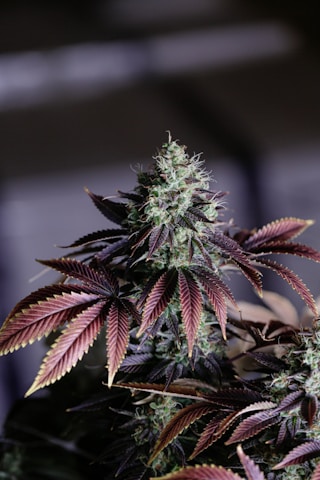
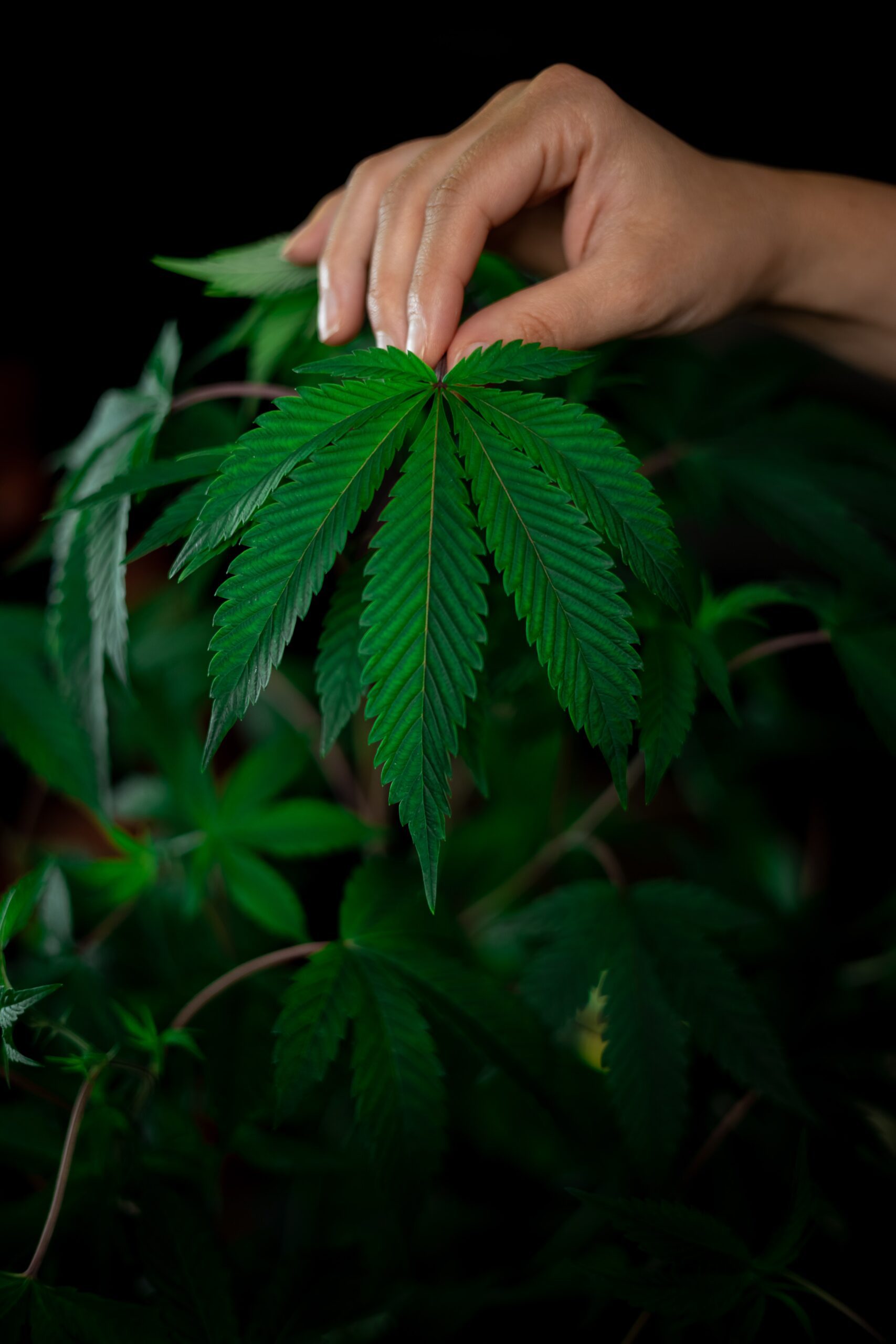
A cannabis planting guide can help beginners understand the basic stages involved in cannabis plant development, from choosing the right type of seed to recognizing the environmental factors that influence healthy growth.
Cannabis plants can vary considerably depending on their genetics. Feminized, autoflowering, and regular seeds may all develop differently, so understanding the type of seed you are starting with is one of the most important first steps.
Before growing cannabis, always make sure cultivation is permitted where you live and follow all applicable local laws and regulations.
Understanding Cannabis Seed Types
Not every cannabis seed has the same genetic characteristics. Some are bred primarily around plant sex, while others are selected for flowering behavior or specific strain traits.
Two of the most common seed categories are feminized and autoflowering seeds.
Feminized Cannabis Seeds
Feminized cannabis seeds are bred to greatly increase the likelihood of producing female plants.
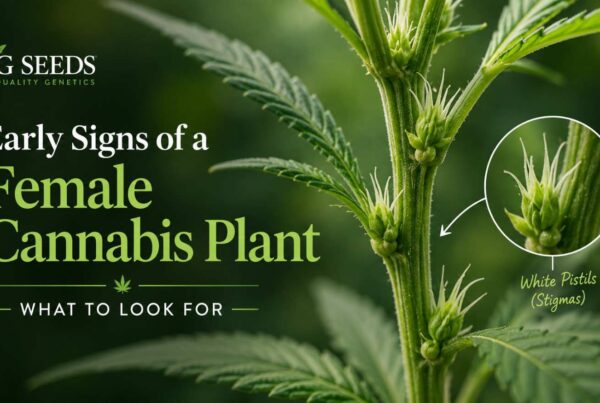
Female cannabis plants develop the flowers most commonly associated with cannabis cultivation, while regular cannabis seeds can produce either male or female plants.
The main advantages associated with feminized seeds include:
- Greater predictability of plant sex
- Reduced uncertainty compared with regular seeds
- Wide availability across different cannabis genetics
- Easier planning for people specifically seeking female plants
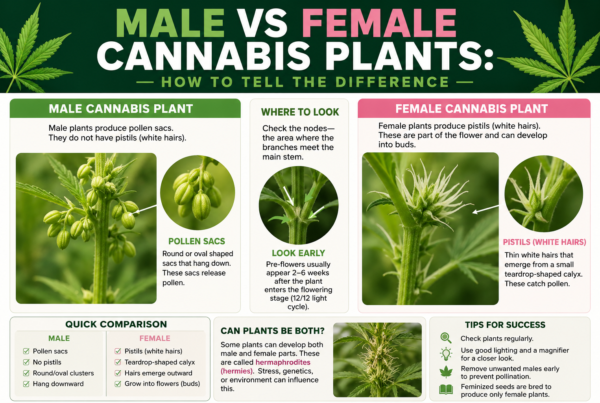
If you are unsure how male and female plants differ, read our Male vs Female Cannabis Plants: How to Tell the Difference guide.
Autoflowering Cannabis Seeds
Autoflowering cannabis seeds contain genetic characteristics that allow plants to transition toward flowering primarily according to maturity rather than relying entirely on major changes in daylight duration.
Autoflower varieties are often associated with:
- Relatively compact plant structures
- Shorter overall lifecycles
- Automatic flowering characteristics
- Genetics influenced by Cannabis ruderalis
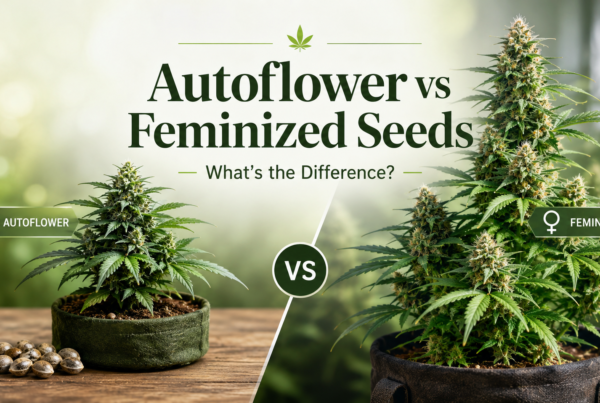
Many modern autoflower seeds are also feminized.
For a deeper explanation, see our Autoflower vs Feminized Seeds: What’s the Difference? article.
Cannabis Planting Guide: What Happens After Germination?
Germination is the beginning of a cannabis plant’s lifecycle. Once a viable seed begins developing, the first root emerges and the young plant starts establishing itself.
The seedling stage that follows is particularly important because young plants are more sensitive to environmental stress than established plants.
During early development, attention should generally be given to factors such as:
- Growing medium
- Moisture
- Light
- Temperature
- Air circulation
- Root development
Rather than making frequent changes, consistency is usually one of the most important principles of early plant care.
Choosing an Appropriate Growing Medium
The growing medium provides physical support around a plant’s root system.
Common horticultural growing systems include soil-based media, coco-based media, and soilless systems.
Each has different characteristics relating to:
- Drainage
- Moisture retention
- Aeration
- Nutrient availability
- Root development
For beginners, understanding how the chosen medium holds water and allows oxygen to reach the roots is particularly important.
A poorly balanced root environment can sometimes produce symptoms that resemble nutrient deficiencies.
Understanding Light and Plant Development
Light plays a central role in photosynthesis and plant development.
Cannabis plants respond not only to the amount of light they receive but also to factors such as intensity, duration, and environmental temperature.
Too little light may contribute to weak or stretched growth, while excessive intensity can create plant stress.
Autoflower and photoperiod plants also differ in how flowering behavior relates to light.
This is why understanding your seed genetics before making assumptions about plant development is important.
Temperature and Environmental Stability
Environmental stability can strongly influence overall plant health.
Sudden changes in temperature, moisture, airflow, or lighting may create visible stress symptoms in leaves and new growth.
Instead of focusing on a single environmental variable, look at the growing environment as a complete system.
Healthy plant development generally depends on several conditions working together.
Watering and Root Health
Water is essential for plant growth, but both too much and too little moisture can create problems.
One of the most common mistakes beginners make is assuming that more water automatically means healthier plants.
Roots need access to both moisture and oxygen.
Constantly saturated growing conditions may reduce the oxygen available around the root system, while overly dry conditions can interfere with normal plant processes.
Observing the growing medium and the overall condition of the plant is more useful than watering according to a rigid schedule.
Understanding Cannabis Nutrient Needs
Cannabis plants use nutrients for functions including leaf development, photosynthesis, root growth, and reproduction.
However, unusual leaf coloration does not automatically mean a plant needs additional fertilizer.
Yellowing, spotting, curling, or damaged leaf margins can sometimes be associated with:
- Watering problems
- Environmental stress
- Root-zone conditions
- Nutrient imbalance
- Pests
- Natural plant aging
If your plants are showing discoloration, our Cannabis Leaves Turning Yellow guide explains several common causes.
You can also read our guide to Cannabis Nutrient Deficiencies for more information about common leaf symptoms.
Observe the Plant Before Making Changes
One of the most valuable skills for anyone learning about cannabis plants is observation.
Instead of reacting immediately to one unusual leaf, look for patterns.
Ask:
- Is the problem affecting old or new growth?
- Did environmental conditions recently change?
- Are multiple leaves affected?
- Is the plant continuing to develop normally?
- Are there visible signs of pests or physical damage?
Taking photographs over time can also make gradual changes easier to recognize.
Cannabis Planting Guide for Beginners: Keep It Simple
Beginners can sometimes make plant care unnecessarily complicated by changing several things at once.
A simpler approach is usually better.
Focus on:
- Understanding the genetics
- Maintaining a stable environment
- Observing moisture levels
- Monitoring plant development
- Looking for changes over time
- Learning what normal growth looks like
When several variables are changed simultaneously, determining what helped or harmed the plant becomes much more difficult.
Choosing Cannabis Seeds
The appropriate cannabis seed depends on the characteristics a buyer is looking for.
When comparing seeds, consider factors such as:
- Feminized or regular genetics
- Autoflower or photoperiod characteristics
- Expected plant structure
- Genetic background
- General lifecycle
- Breeder information
- Strain characteristics
Learning how these terms differ can make it much easier to compare seed varieties.
Readers interested in exploring different genetics can visit the JG Seeds cannabis seed collection.
Final Thoughts
A good cannabis planting guide begins with understanding the plant rather than simply following a fixed set of instructions.
Seed genetics influence plant sex, flowering behavior, lifecycle, and overall development. Environmental factors such as moisture, light, temperature, and root conditions can also affect how a plant grows.
For beginners, the most useful approach is to understand the seed type, maintain stable conditions, observe the plant carefully, and learn to recognize normal and abnormal development.
The more you understand cannabis genetics and plant biology, the easier it becomes to interpret what a plant is communicating through its growth.
Frequently Asked Questions About Cannabis Planting
What type of cannabis seeds are suitable for beginners?
There is no single seed type that is best for everyone. Feminized and autoflowering genetics are commonly considered because they provide more predictable characteristics than some regular seed varieties.
What is the difference between feminized and autoflower seeds?
Feminized refers primarily to plant sex, while autoflower describes flowering behavior. A seed can be both feminized and autoflowering.
Why is the growing medium important?
The growing medium affects moisture retention, drainage, aeration, nutrient availability, and root development.
Why do cannabis seedlings sometimes turn yellow?
Yellowing can be related to several factors, including moisture problems, environmental conditions, root stress, or nutrient-related issues.
Can you tell cannabis plant sex from the seed?
No reliable visual method can determine whether a regular cannabis seed will become male or female simply by examining the seed.